
Author Archives: brain

Xianfeng Wood Carving Exhibited at Shenzhen International Cultural Industries Fair

The 22nd (Shenzhen) International Cultural Industries Fair was held from 21 to 25 May. The Hubei Pavilion, under the theme ‘Inheriting the Spirit of Jingchu Culture, Building a High Ground for Yangtze River Culture’, featured over 5,000 Jingchu treasures – blending the cultural lineage of the Yangtze River with digital technology.

 Rendering of the Hubei Pavilion.
    Photo by Jingchu Youli (WeChat) 
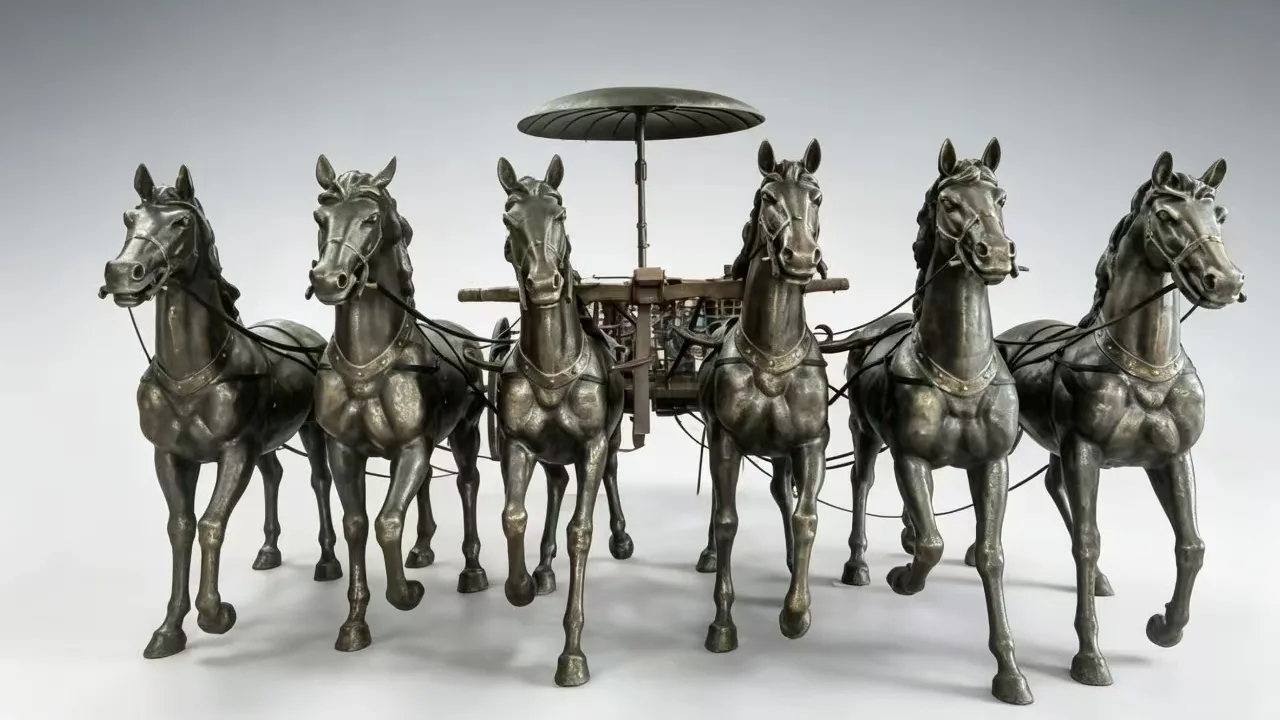
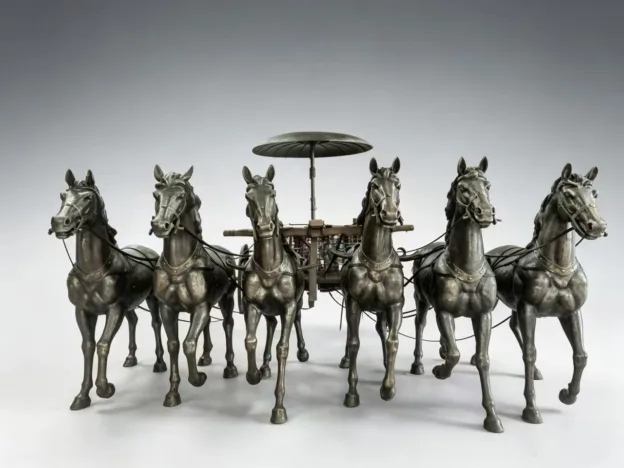
Restored sculpture of ‘Tianzi Jia Liu’
 (Six-Horse Chariot of the Son of Heaven).
Photo by Jingchu Youli (WeChat)

As a provincial-level representative intangible cultural heritage project in Hubei, Xianfeng Wood Carving was invited to participate in the exhibition under the organisation of the Hubei Provincial Government.

The Xianfeng Wood Carving exhibition area was organised and staffed by the founding members of Lumen Naturae.

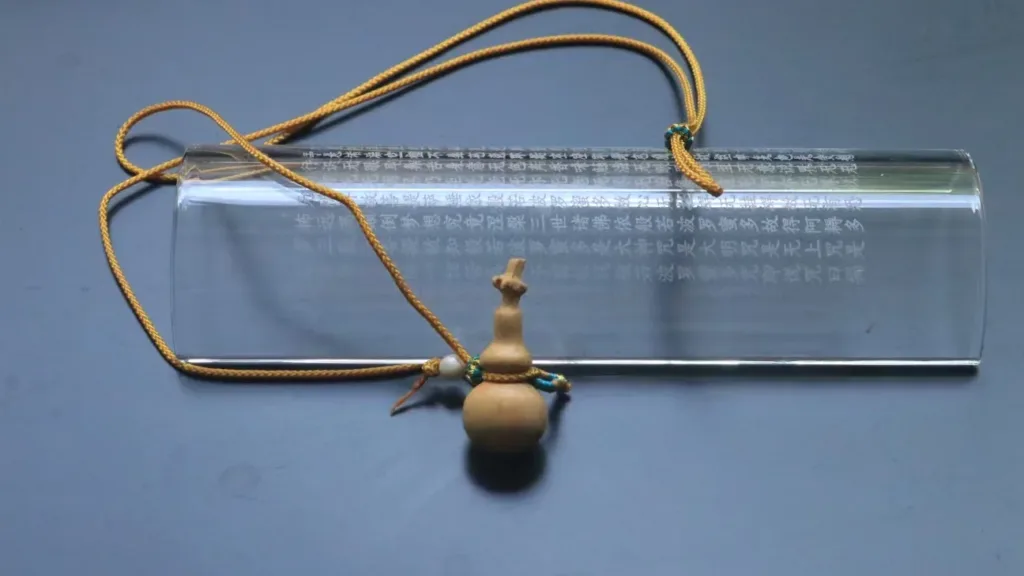
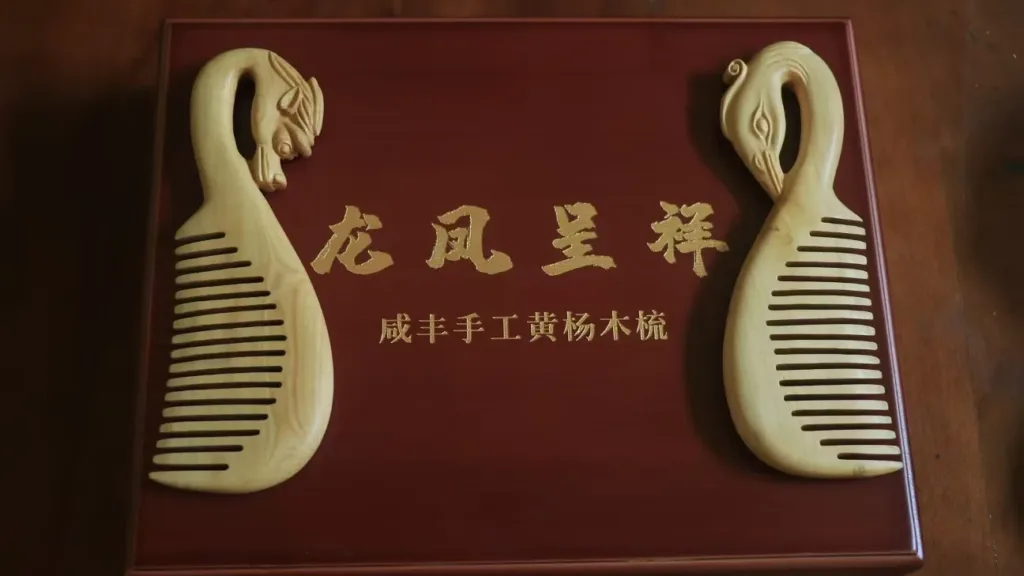
This exhibition featured a series of high-quality traditional wood carving products with collectible value, including boxwood, thuja (yabai), and golden-thread nanmu. The product line included boxwood bamboo-joint combs, bridal boxwood combs carved with dragon and phoenix motifs, gourd pendants, and Lingzhi Ruyi ornaments, among others.
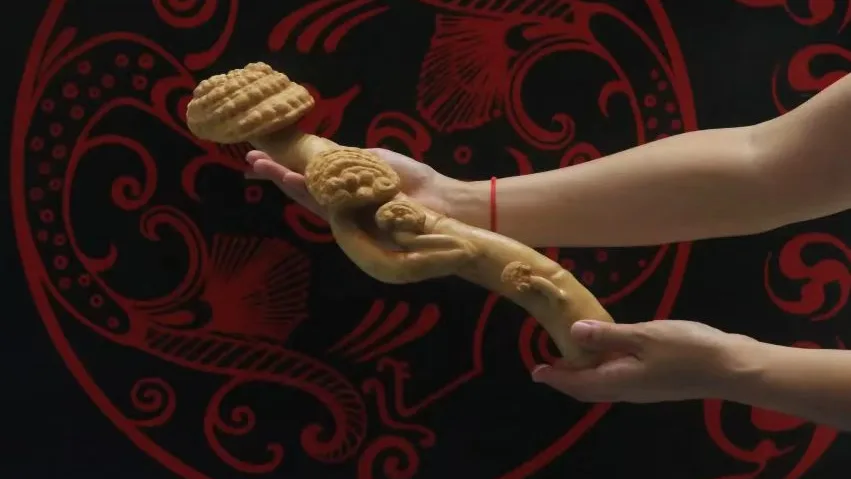
A Lingzhi Ruyi ornament. Photo by Journey
Bridal boxwood combs carved with dragon and phoenix motifs. Photo by Journey
A gourd pendant. Photo by Journey
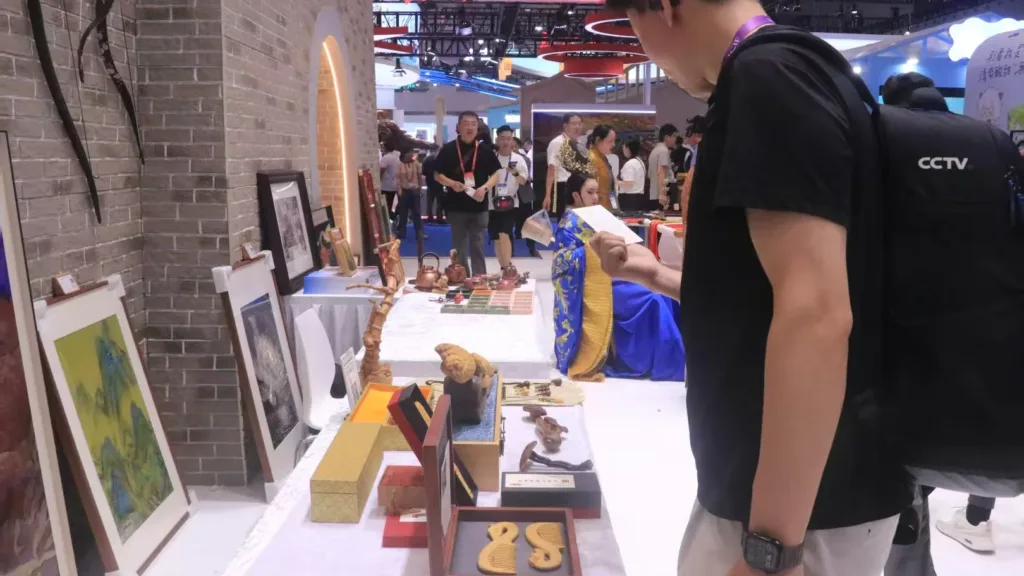
A visitor is inquiring about the boxwood combs. Photo by Journey

Using techniques such as openwork carving, relieve carving, and round carving, and integrating traditional calligraphy, painting, and the concept of wellness, these works present the aesthetics and practicality of traditional wood carving integrated into contemporary life.

During the exhibition, the gourd pendant series was especially popular among children. The boxwood combs, meanwhile, drew considerable attention from wellness enthusiasts – held in the hand, their delicate texture and natural woody fragrance made them truly difficult to put down.

Several buyers from technology companies in Shenzhen expressed interest in future collaboration. These rare treasures from the deep mountains, carriers of century-old craftsmanship, evoke a longing for a simple and authentic way of life. Xianfeng Wood Carving is now making a striking impression in an international city.
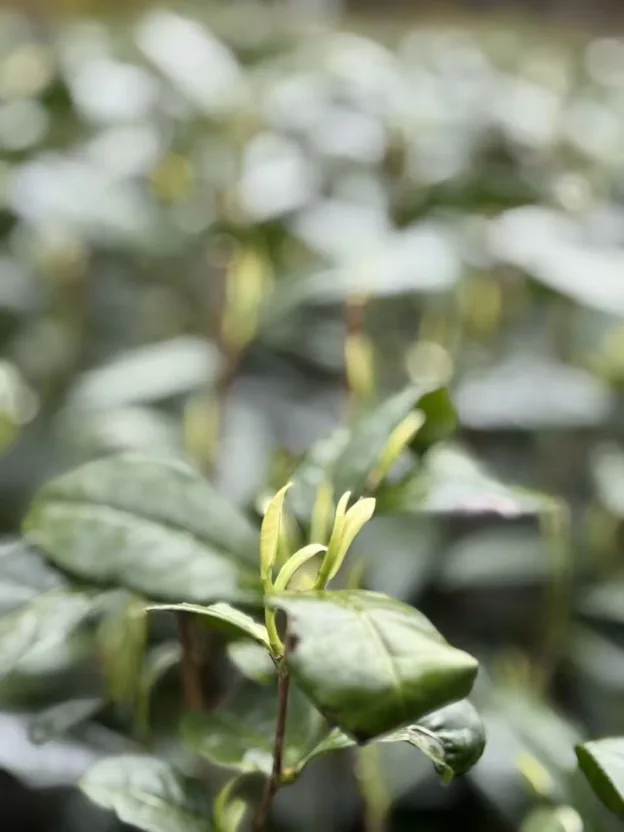

Searching for Tea in the Deep Mountains, A Century of Wild Charm | Lumen Naturae’s Tea-Making Journey to Enshi

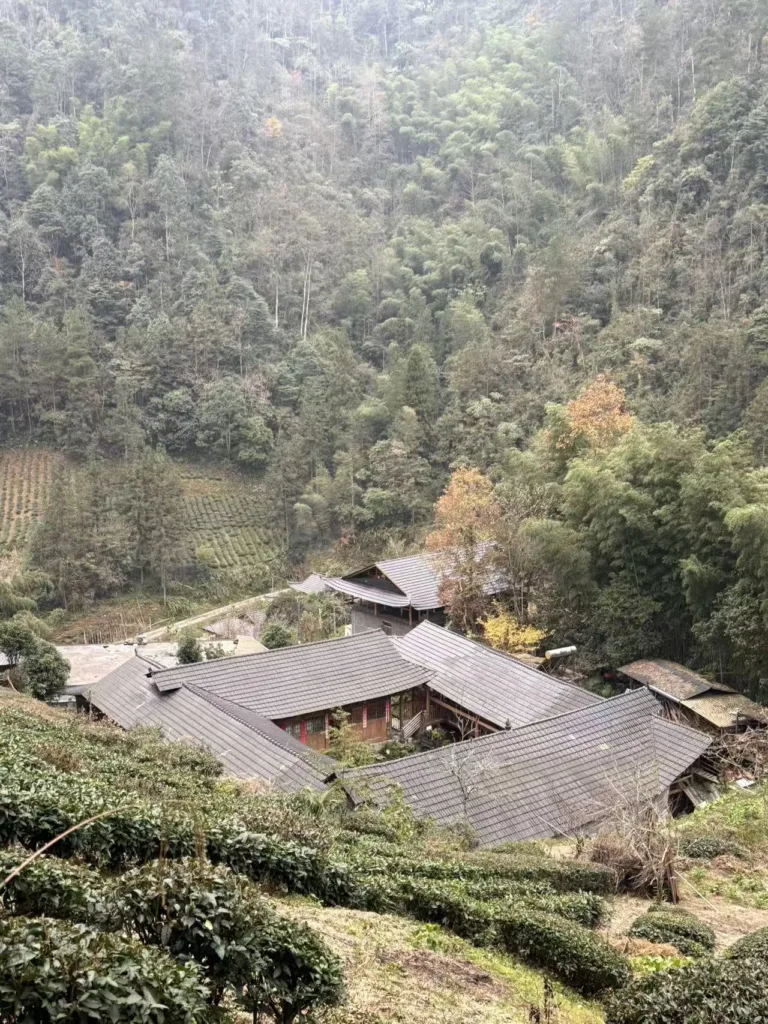
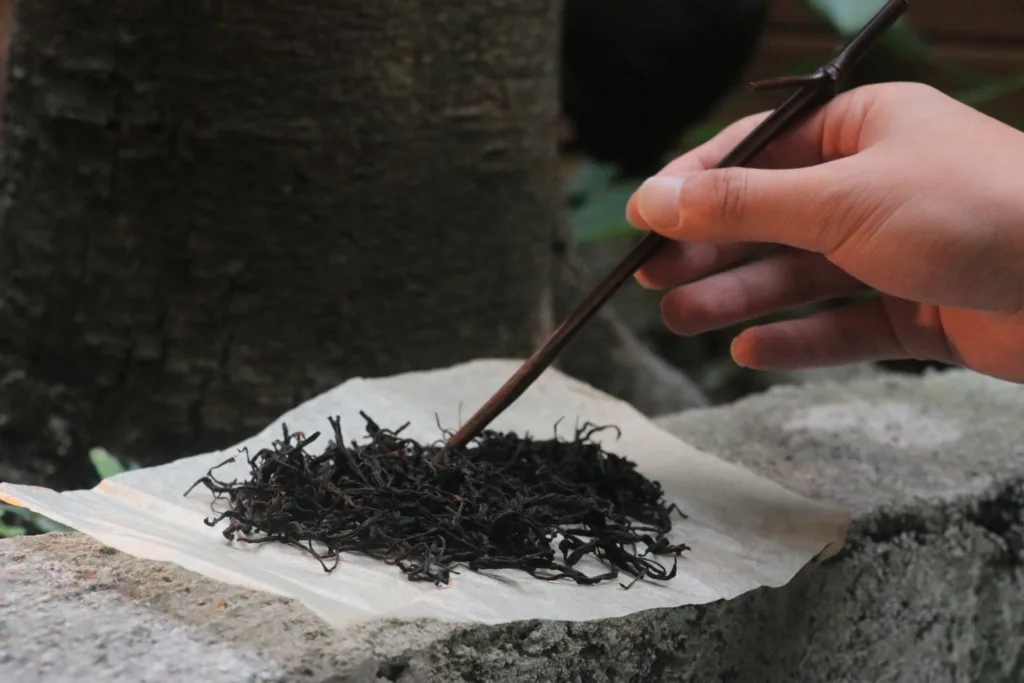
On 1 April 2026, we — the three founders of Lumen Naturae — travelled to Maliuxi Village, Xianfeng County, Enshi, Hubei Province, and stepped into this Tujia settlement hidden deep in the Wuling Mountains. Our purpose was to visit a master of traditional craftsmanship: Mr. Liu Mingjian, a provincial-level inheritor of Hubei’s intangible cultural heritage — the art of black tea production — and to document his process of making spring tea by hand.

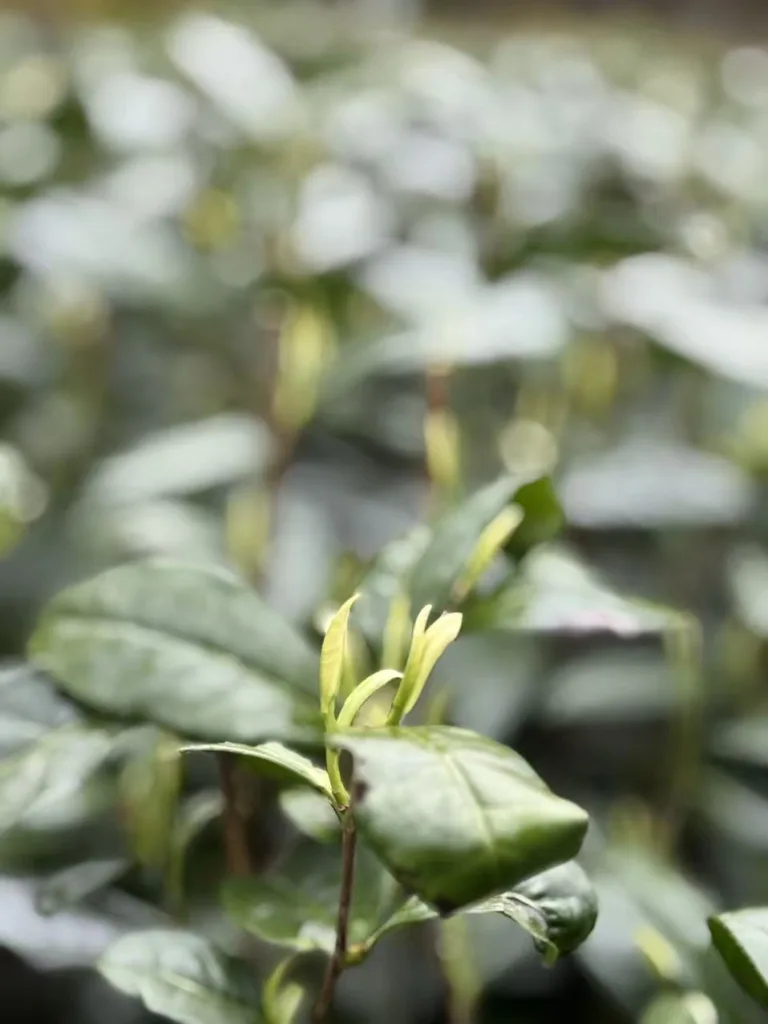
Mr. Liu led us uphill, through forests and thickets, ever upward. Beneath our feet lay soft fallen leaves; our ears were filled with birdsong and the whisper of the wind. Deep in the remote mountain forest, we suddenly came upon a grove of century-old wild tea trees — dense, untended, growing with unbridled abandon, wild and beautiful. Tender buds were just emerging — each leaf fresh and lively, still glistening with morning dew. Bringing our faces close, we breathed in the pure, crisp and gentle fragrance of the tea trees.

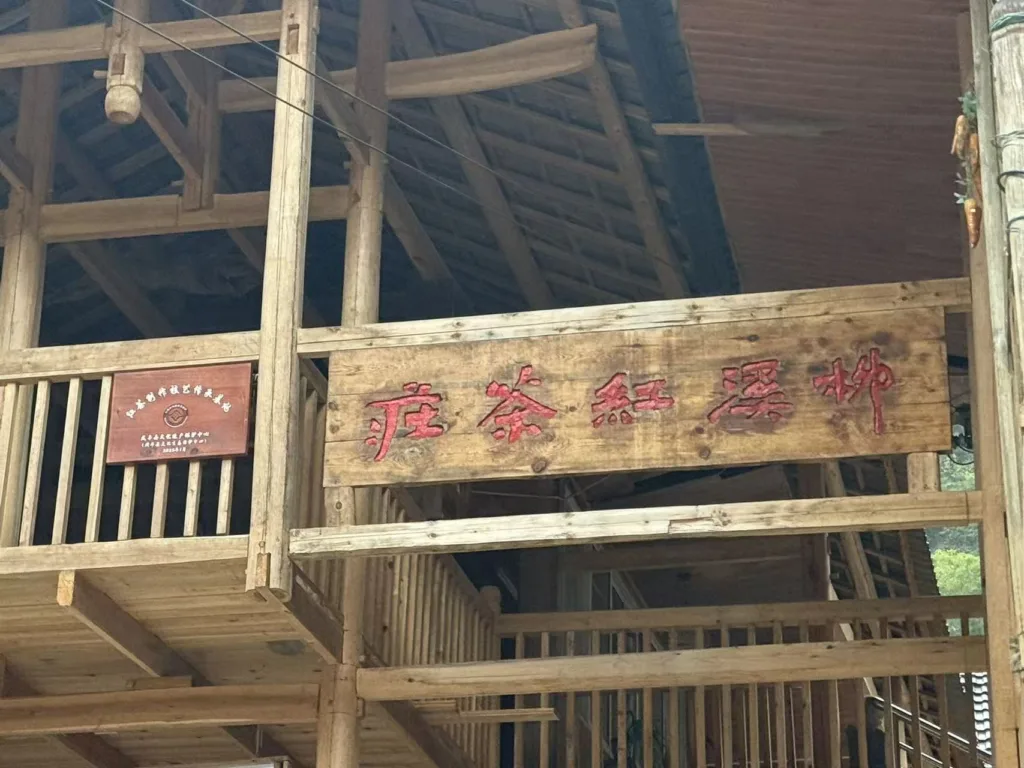
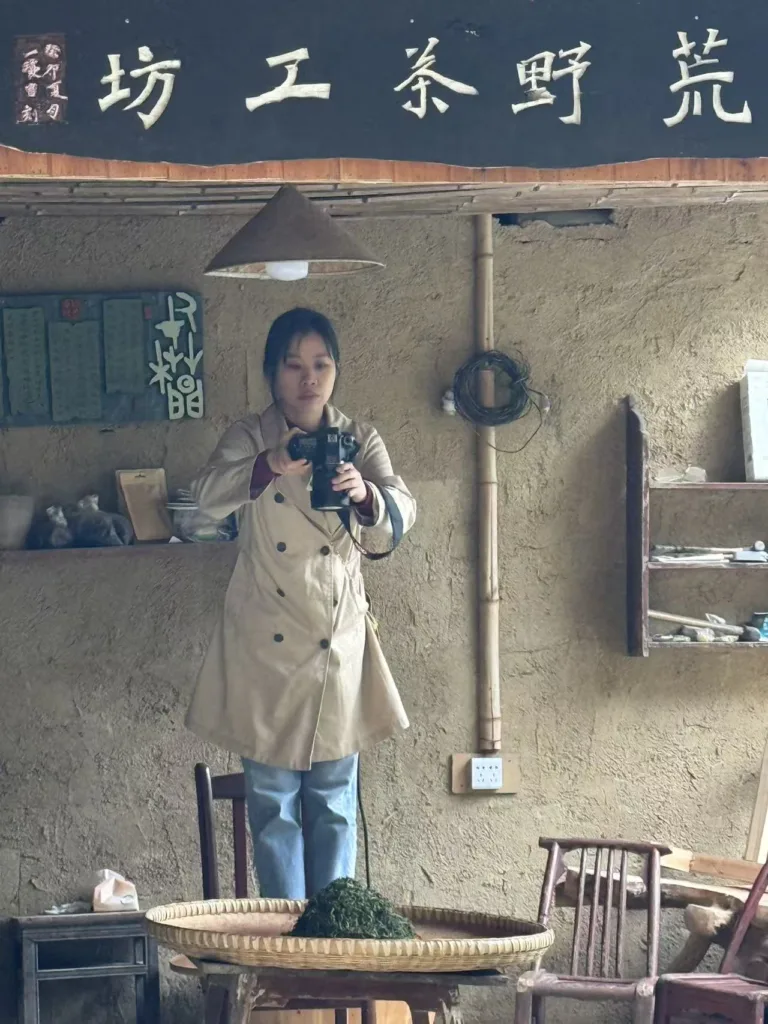
After gathering the leaves, we returned to the village and entered a stilt house — a century-old tea workshop, its wooden beams and grey tiles holding time quietly in every grain of the wood.

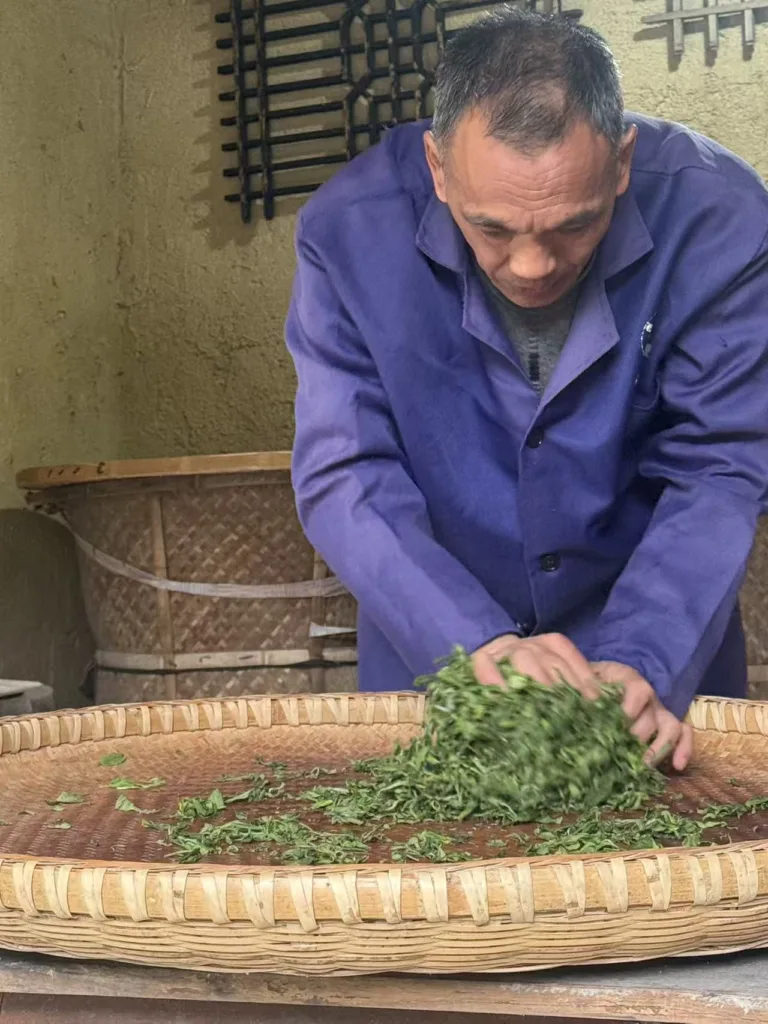
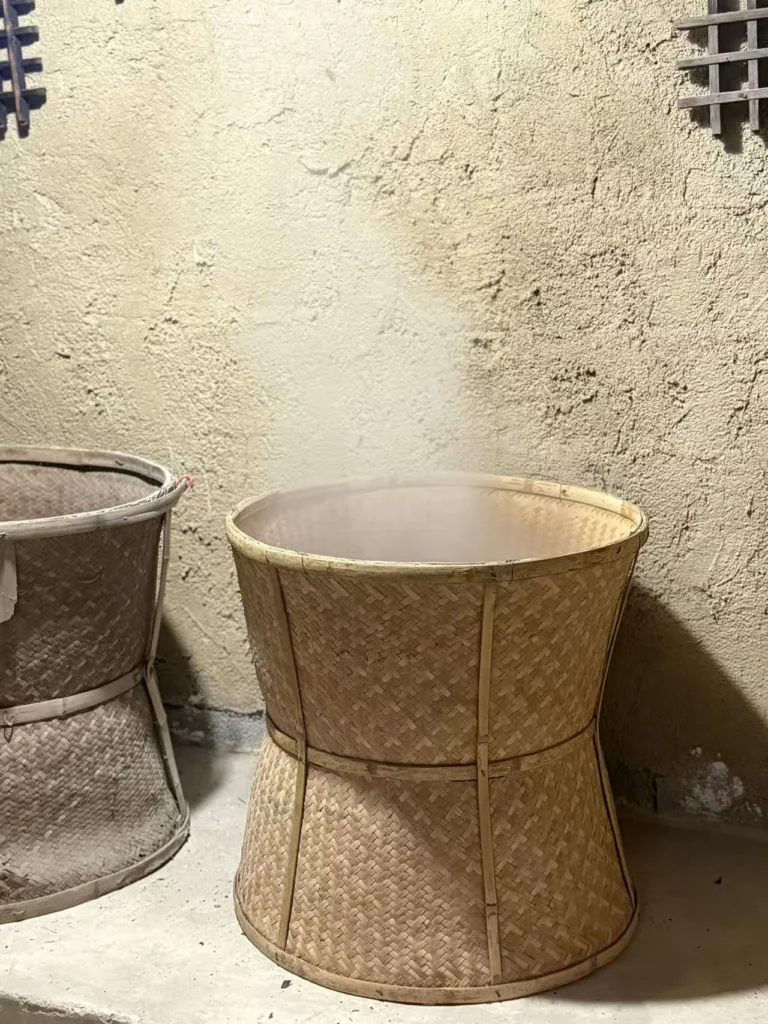
The tea leaves were first left to wither. Then came the rolling. Mr. Liu’s hands moved like a tai chi master — firm yet soft, strong yet gentle — as the leaves slowly released their rich aroma between his palms. The smoke from the charcoal fire mingled with the warm mist rising from bamboo baskets — the roasting had begun. This is the daily rhythm of the tea maker, day after day, year after year.

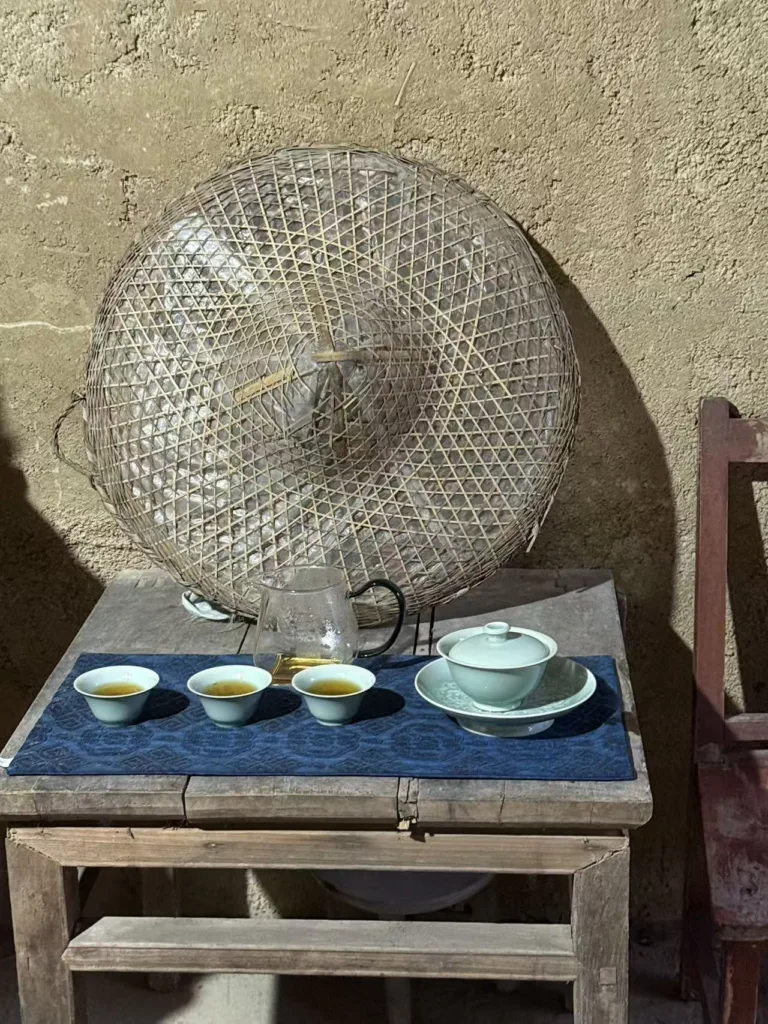
We sat down with the master, brewed a cup of fresh tea, and talked of tea and of life, as we waited patiently for the leaves to finish roasting. Through the whole evening, slowly, we waited for a cup of fully fired, fine tea.

Here, time flows on, yet the craftsman’s art is passed down from generation to generation, never broken. Their perseverance fills us with admiration. And in this pure and remote mountain sanctuary, we found a long-lost stillness — a chance to slow down and truly savour life.

Lumen Naturae – reflecting the world through objects. We gladly share with you this cup of wild charm from the deep mountains.

In the Depths of the Kiln Fire, Celadon as Ever | Lumen Naturae’s Longquan Kiln-Opening Pilgrimage

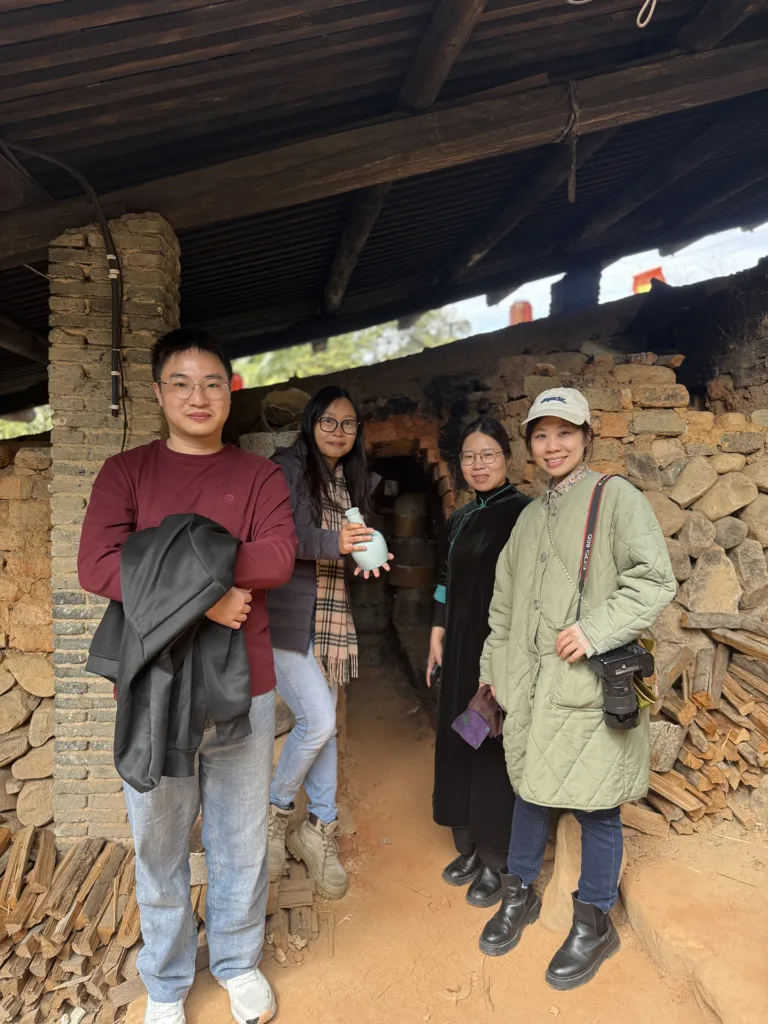
On 8 March 2026, we — the three founders of Lumen Naturae — at the kind invitation of Ms. Liao Licong, a Zhejiang provincial master of ceramic arts, answered a thousand-year call. We travelled to Xitou Village, Baoxi Township, Longquan, Zhejiang, and stepped into the famed ancient dragon kiln — Chenjia Kiln.

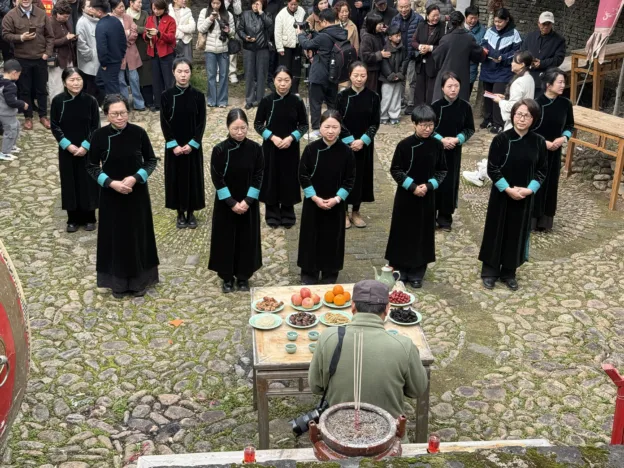
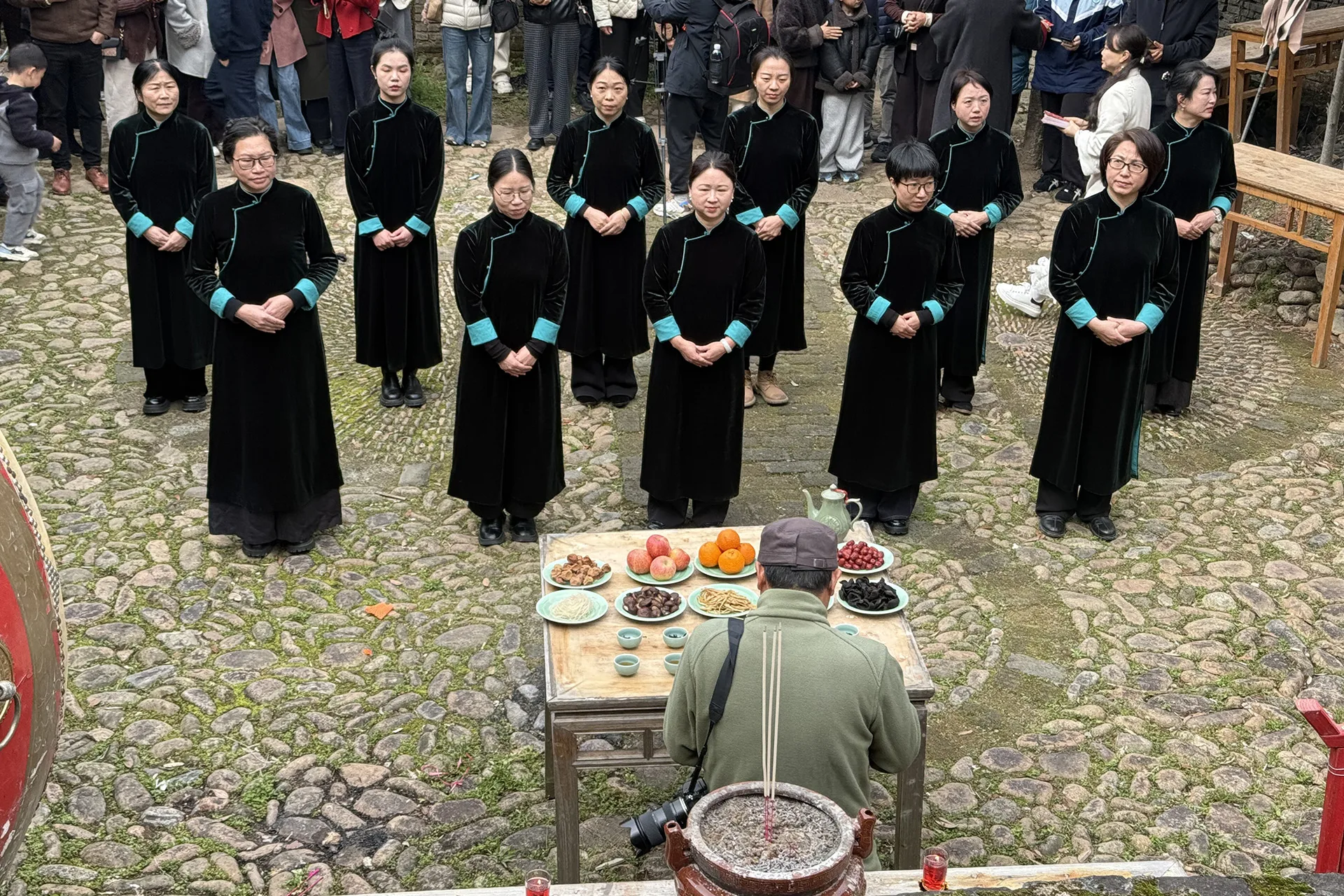
That day coincided with International Working Women’s Day. Eleven Longquan female ceramic masters were holding the “Women’s Kiln” opening ceremony. We came drawn by their renown and were privileged to witness it.

As the auspicious hour approached, the masters, dressed in traditional garments, offered wine, lit incense, and bowed deeply. Each kowtow and bow carried the devotion of a thousand-year legacy passed down through flame. The spirit of craftsmanship — silent, yet commanding deep respect.

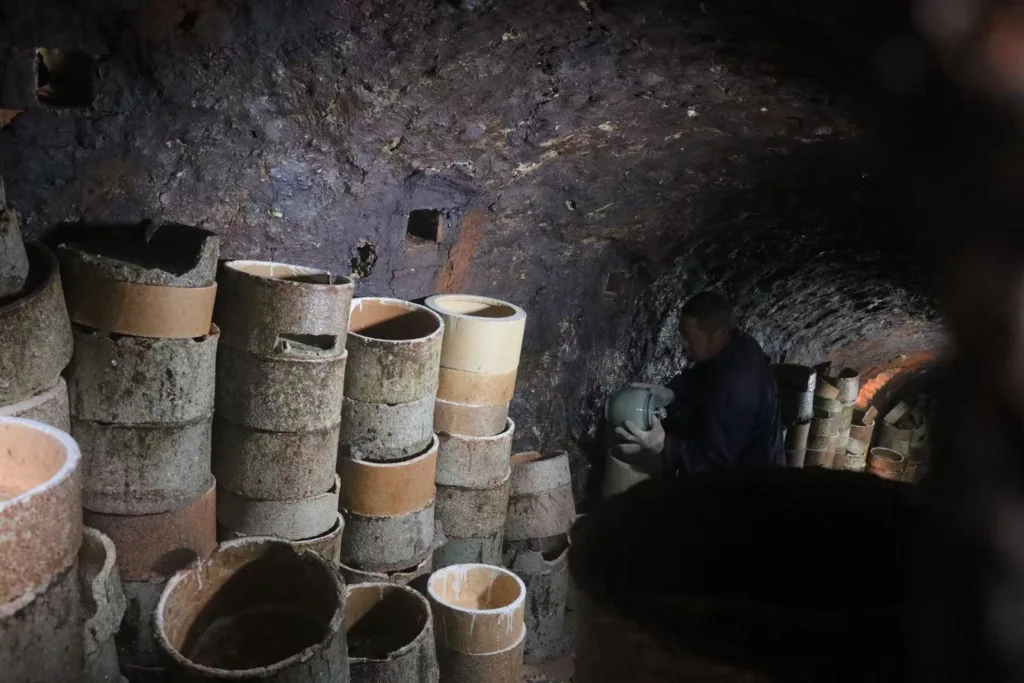
The dragon kiln opened.

Stacked xiabo (saggers) stood as dense as a battle formation — the answer the masters had entrusted to fire and clay.

The moment the saggers were opened

Some faces lit with joy, others let out soft sighs of disappointment. As each new celadon piece was revealed, no one could bear to look away. True preciousness speaks not in words, but in the silent whisper of that sky‑after‑rain blue.

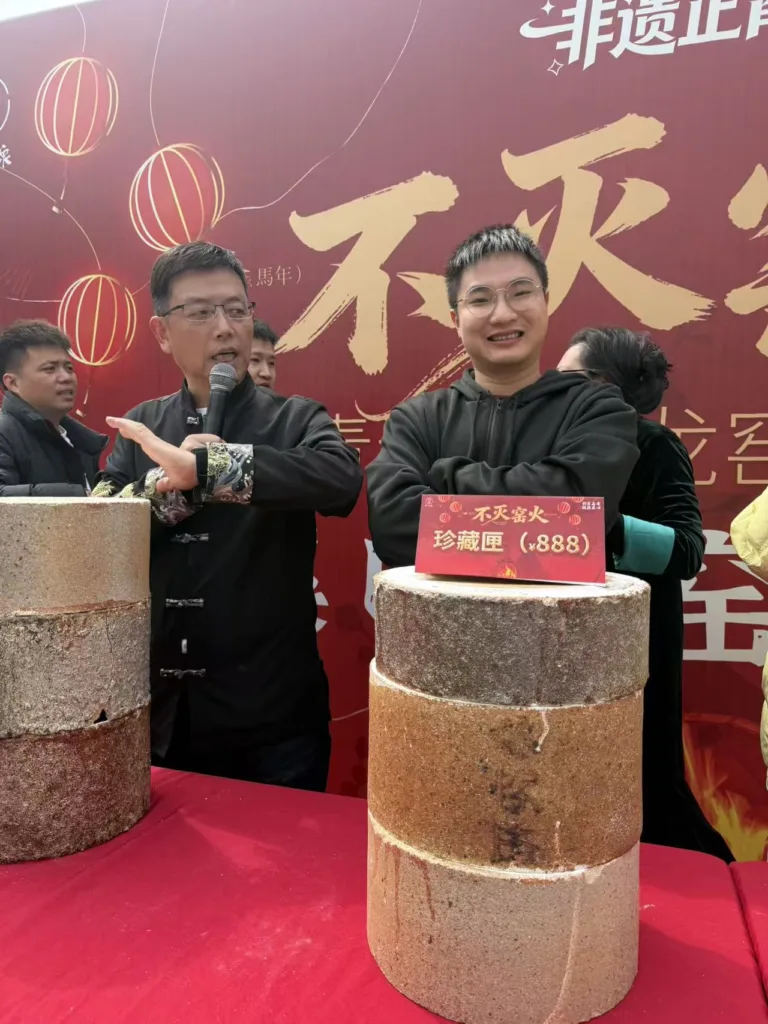
We were fortunate to take part in a blind‑box auction, bidding happily on several celadon pieces made with the craftsmen’s heartfelt dedication:

Gong Qian (Zhejiang provincial master of arts and crafts, fifth‑generation inheritor of the century‑old Zhejiang brand “Gong Sanxing”) — Phoenix Treasure Gourd, with a glossy, luminous glaze and a lively, full‑bodied form.

Zhou Qin (a seasoned Longquan celadon artisan) — Green‑glazed Horse Tea Jar, its celadon glaze gentle and refined, blending rustic simplicity with quiet fortitude.

Chen Keping (Zhejiang provincial master of arts and crafts, representative inheritor of Longquan Celadon Firing as an intangible cultural heritage of Lishui City) — Fortune on Horseback, a witty idea shaped in clay and fire, full of lively charm.

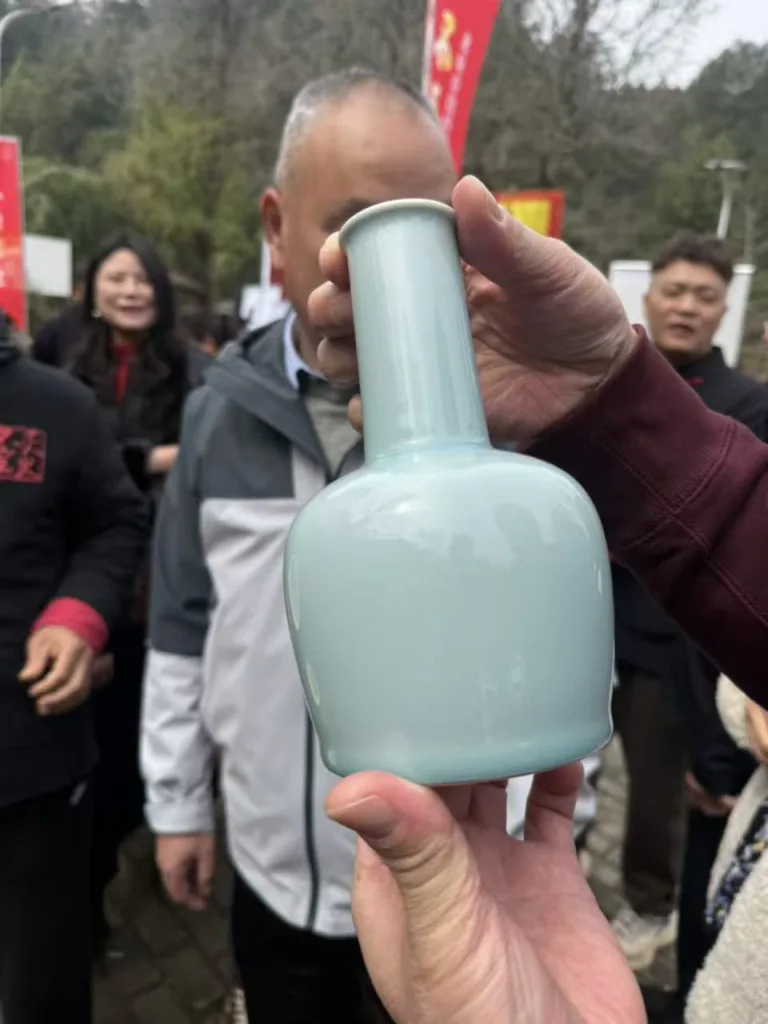
In addition, we acquired on‑site a piece by Chen Changfa (Lishui municipal master of arts and crafts, representative inheritor of Longquan dragon‑kiln firing as an intangible cultural heritage) — Fenqing Paper‑mallet Vase. A wood‑fired pale dawn green piece that achieves a blue as pure as the open sky is extremely rare. Its glaze is like the sky after rain — tranquil and crystalline. Truly, we could not bear to part with it.

The other piece is Master Liao Licong’s Soy‑sauce Glazed Incense Holder — a kiln‑transformed work. Its form is a round dish on a tall foot, belonging to the type known as a high‑foot incense holder. The glaze is bright, and when held to the light, it reveals a soft, unctuous fineness. The deep soy‑sauce colour, created by kiln transformation, is as profound as aged soy — still yet filled with a thousand hidden variations. Equally marvellous.

On this journey to Longquan, we witnessed how a thousand years of kiln fire continue in the hands of today’s craftspeople — and saw, in that sky‑after‑rain blue of the celadon, the silent strength it carries.

Lumen Naturae – reflecting the world through objects. We gladly share with you this beauty born from the depths of the kiln fire.