Life is like tea; with it by your side,time holds no fear. If you have the heart,its fragrance will come to you.
Located near 30° north latitude in Hubei, China, Enshi boasts superior natural conditions. With abundant mountains, forests, and rivers, forest coverage exceeds 70%, creating excellent ecological vegetation. The warm, humid climate, deep soil layers, ample rainfall, and frequent mist make it highly suitable for tea cultivation. The selenium-rich soil here is particularly unique—not only is it home to one of the world’s rare independent selenium deposits, but it also forms a complete selenium-rich ecosystem. The tea grown here possesses health benefits that ordinary teas lack or contain in minimal amounts.
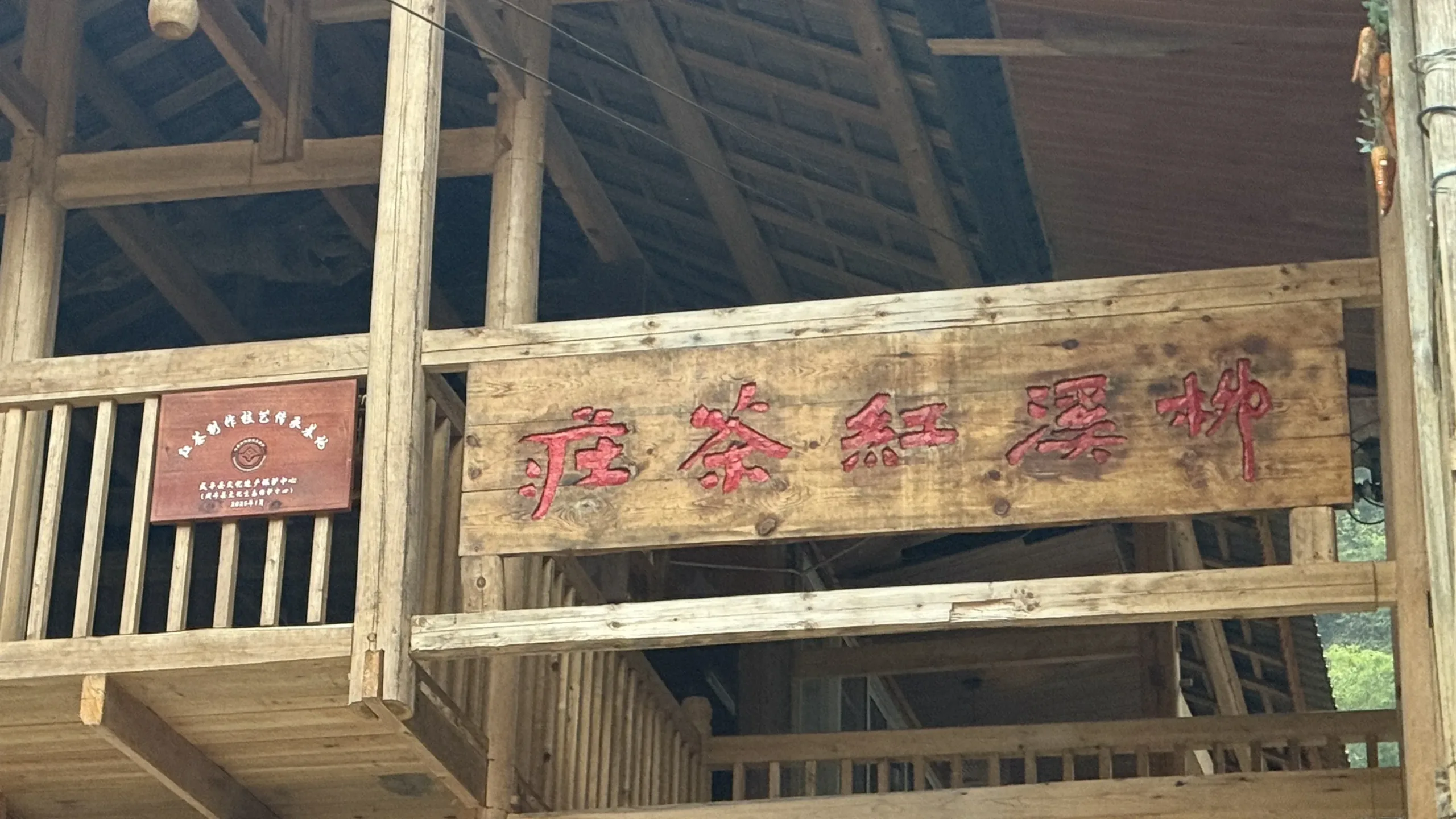
Wild Black Tea
Origin of Wild Black Tea
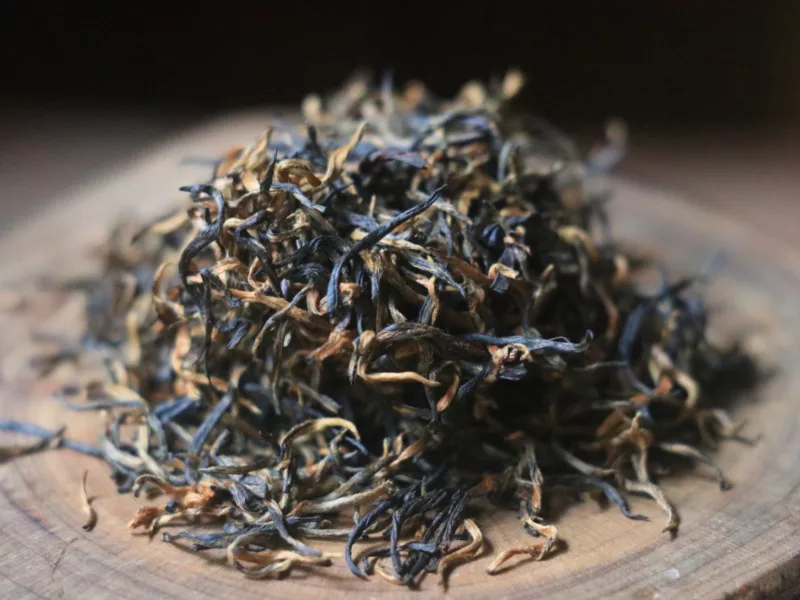
Wild Black is a handcrafted black tea by Master Liu Mingjian, a provincial-level inheritor of Hubei’s intangible cultural heritage for black tea production techniques. A geological expert and descendant of the six-generation Xie family tea-making lineage in Maliuxi Village, Master Liu has dedicated years to researching ancient handcrafted black tea methods, personally picking and processing the leaves.
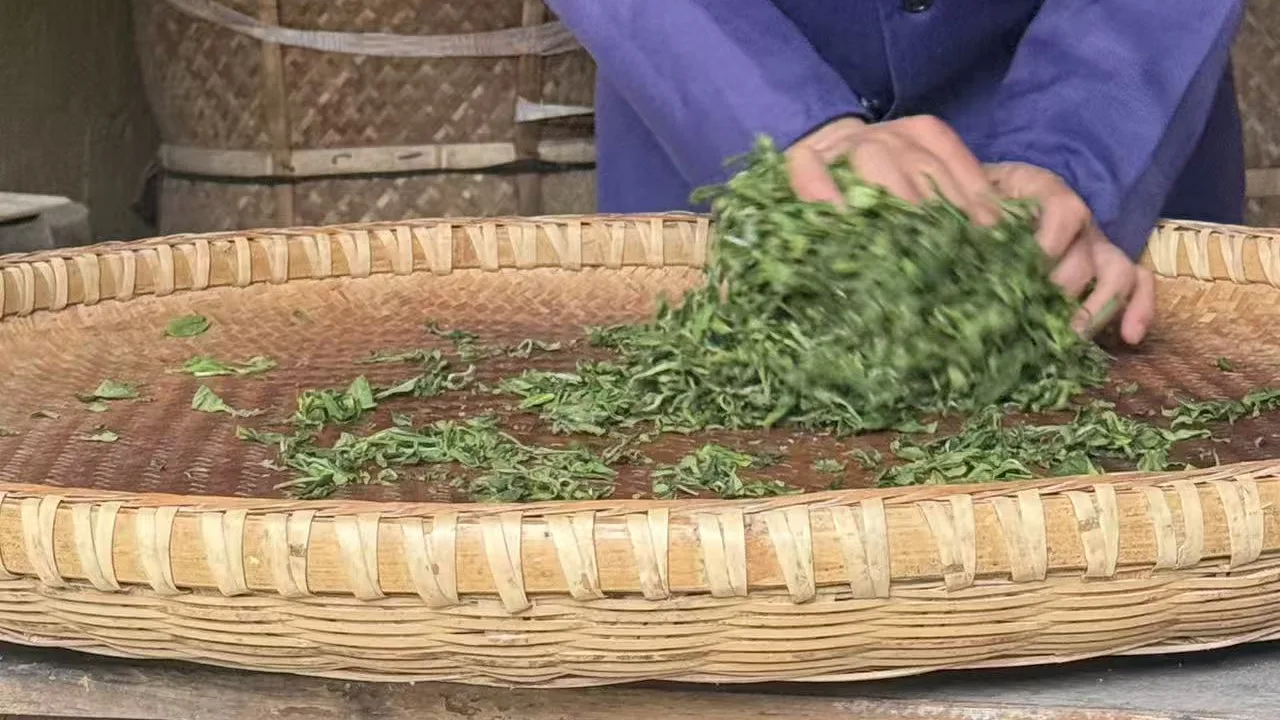
This tea, born in the wild, grows in the jungle, withers in lofts, is rolled by hand, fermented in bamboo baskets, and roasted in charcoal pits—a purely ancient handcrafted process. The leaves are harvested from the wild forests of Maliuxi in Xianfeng County, Enshi, known as “the last Shangri-La of central China.” At an average altitude of over 1,000 meters, the tea plants grow alongside wild grass and vines, rely on birds for pest control, and feed on humus, absorbing the essence of nature. The tea soup is amber-like, crystal clear, with aromas reminiscent of preserved fruits and floral notes.
Story of Maliuxi Village
wild black originates from Maliuxi Village, a minority village near Heidong (now Huangjindong) in Enshi, Hubei, where tea cultivation has been passed down through generations. The history of Maliuxi tea dates back to the Tang and Song dynasties, recorded as a tribute tea in geographical texts of the time.
Heidong was a crucial stop on the ancient salt and tea trade route during the Tang and Song dynasties, frequented by merchants. Locals set up teahouses and inns, where porters rested and traded daily goods. Porters from north and south brought exotic tea seeds, gifting them to local villagers for cultivation.
During the Tianqi era of the Ming Dynasty, the Tangya Tusi of Xianfeng returned victorious after years of quelling rebellions for the court, bringing tea masters to teach advanced tea-making techniques. This elevated local tea craftsmanship, and tea plants thrived in Maliuxi’s fertile, loose soil. The tea produced was of exceptional quality, beloved by local chieftains, and eventually designated as imperial tribute.
By the mid-20th century, due to transportation difficulties, Maliuxi’s minority residents relocated to the valley, leaving the tea plants on the original boundaries to grow wild, becoming ancient wild tea trees. After the founding of New China, the Hubei Provincial Government established Maliuxi as a processing base for Yihong tea, exporting products to the United Kingdom and the Soviet Union.
How to Experience wild black?
Harvesting Altitude: Wild tea grown above 800 meters
Harvesting Season: Spring (Grain Rain season), once a year
Tea Type: Black tea
Aroma: Floral and fruity, with a sweet, mellow taste
Characteristics — Tea polyphenol content ≥18%, rich in amino acids
Lichuan Black Tea
Origin of Lichuan Black
The production technique of Lichuan Black is a national intangible cultural heritage, listed in the fifth batch of national intangible cultural heritage representative projects in 2021. It is also a protected product of geographical indication.
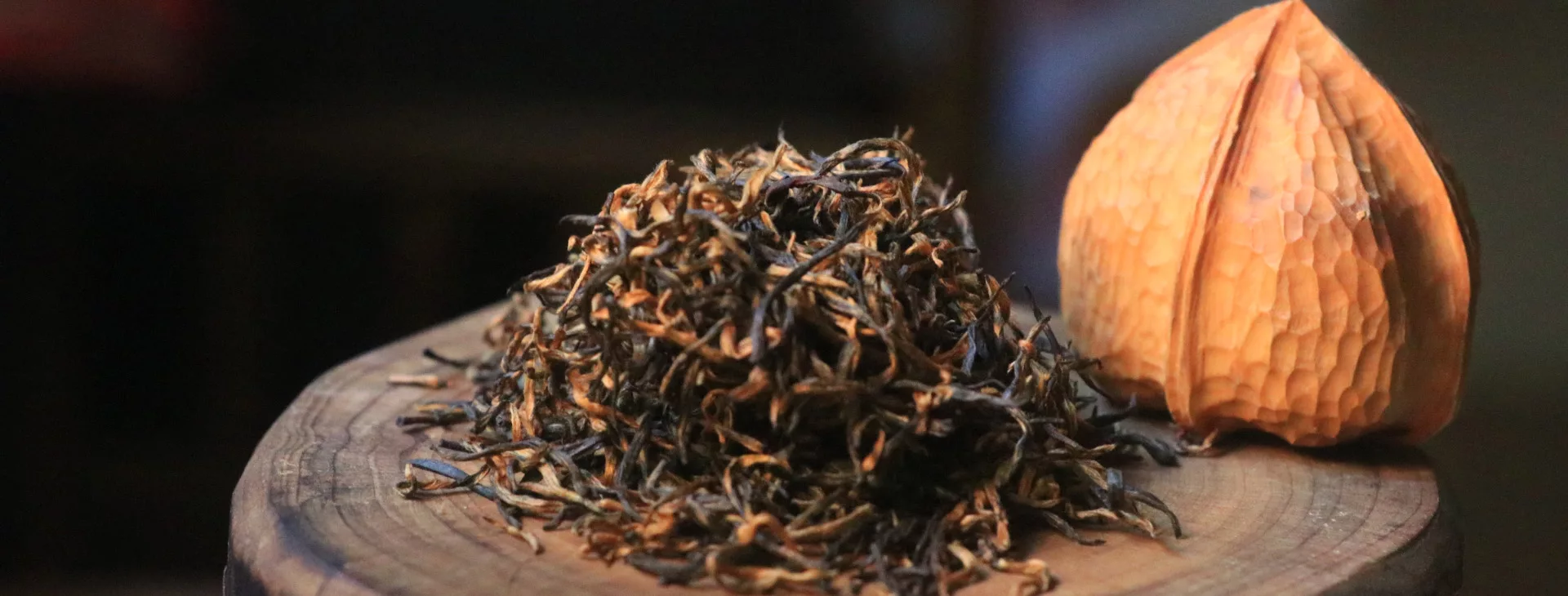
Lichuan Black is a fully fermented Gongfu black tea, renowned for its three unique qualities: “agate-red liquor, floral-honey aroma, and creaming down when cooled.” Its core production area lies in the high mountain valleys along the 30° north latitude golden tea belt, boasting superior natural conditions. With abundant mountains, forests, and rivers, forest coverage exceeds 85%, and the warm, humid climate (average annual temperature 12.9°C), deep soil, ample rainfall, and frequent mist create an ideal environment for tea growth. The local tea varieties are rich in compounds and high in enzyme activity, making them particularly suitable for black tea production.
Lichuan has a long history of tea production. In the mid-19th century, local farmers began processing black tea for export under British comprador merchants. In 1876, with Yichang designated as a treaty port, Lichuan Maoba became a core production area for exported Yihong Gongfu black tea. In 1951, Lichuan was designated by the state as a main production area for Yihong Gongfu black tea. With over 170 years of production history, Lichuan Black (Lichuan Gongfu Black Tea) is a premium variety, highly esteemed.
Characteristics of Lichuan Black
Creaming Down: When the tea liquor cools to around 16°C, theaflavins and other compounds coagulate into a cheese-like colloid, a signature phenomenon of Lichuan Black.
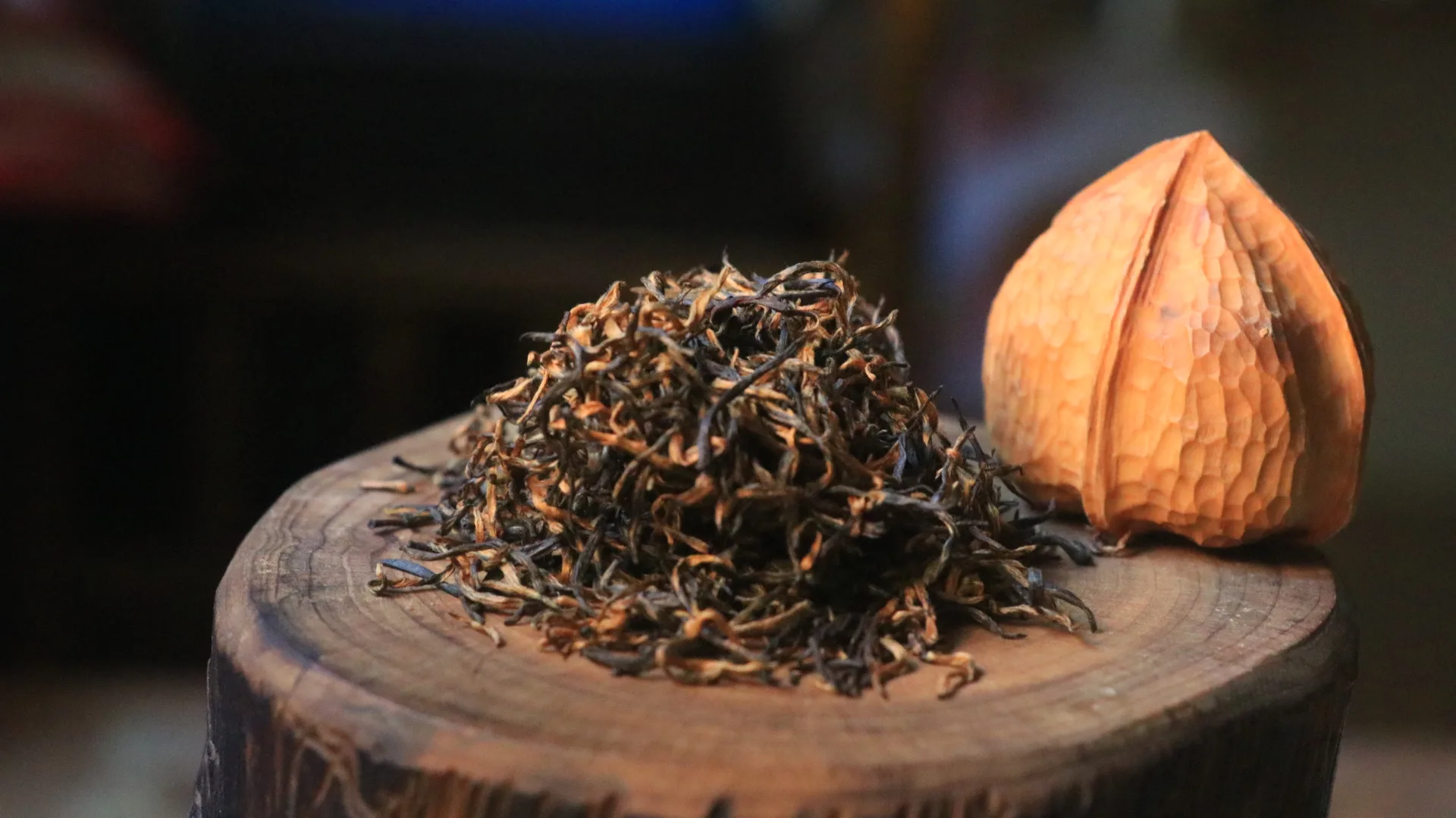
Sensory Qualities: Dry leaves are tight, slender, dark, and lustrous with golden tips; the liquor is bright red like agate; the aroma is rich with floral-honey notes; the taste is mellow, sweet, and refreshing.
How to Experience Lichuan Black?
Tea Type: Black tea
Aroma: Floral-honey notes, sweet and mellow taste
Characteristics: Tea polyphenol content ≥18%. Fully fermented, with a gentle, warm nature.
📌 A Note
The above is the culture and craft of Lichuan Black as a protected geographical indication product. The Gongfu Black tea sold on this site carries the same heritage technique — the same Enshi
Enshi Yulu (Steamed Green Tea)
Origin of Enshi Yulu
The production technique of Enshi Yulu is a national intangible cultural heritage (listed in the fourth batch in 2014) and a UNESCO Intangible Cultural Heritage of Humanity (listed in 2022 under “Traditional Tea Processing Techniques and Associated Social Practices in China”). It is also a protected product of Chinese geographical indication and holds EU geographical indication protection.
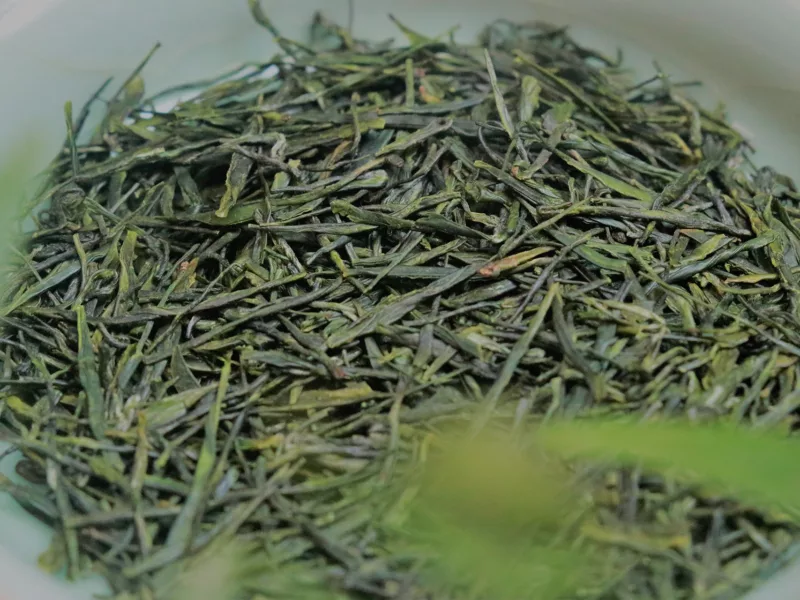
Enshi Yulu is the only needle-shaped green tea in China that retains the Tang Dynasty steaming technique. Its production involves six core steps: steaming, fanning, shaking, rolling, shoveling, and shaping. Using steam fixation (100°C steam for quick fixation), it retains over 90% of chlorophyll and fresh compounds, forming the “three greens” characteristic (emerald-green dry leaves, clear-green liquor, and tender-green brewed leaves).
Its history dates back to the Kangxi era of the Qing Dynasty, developed by tea merchant Lan from Huanglianxi, Bajiao, Enshi, who adapted the Tang Dynasty steaming technique, initially naming it “Yulü.” In 1936, Yang Runzhi, a tea official from Hubei Minsheng Company, improved the technique and renamed it “Yulu” because the tea leaves were “as white as jade and exceptionally lustrous.”
The core production area is in Bajiao Dong Ethnic Township and the eastern suburbs of Wufeng Mountain in Enshi City, strictly defined as the geographical indication protection zone. The soil here is rich in selenium, earning it the title “World Selenium Capital.” The area lies at 450–850 meters above sea level, with sandy loam and yellow-brown soil, pH 4.5–6.0. Located in the Wuling Mountain region, it enjoys a monsoon mountain climate with year-round mist, ample rainfall, an average annual temperature of 16.4°C, and 82% relative humidity. The unique karst landscape and selenium-rich soil (over 95% selenium coverage) provide exceptional conditions for tea growth.
Characteristics of Enshi Yulu
Unique Processing: Steam fixation retains over 90% chlorophyll and fresh compounds, forming the “three greens” (oily-green dry leaves, jade-green liquor, tender-green brewed leaves).
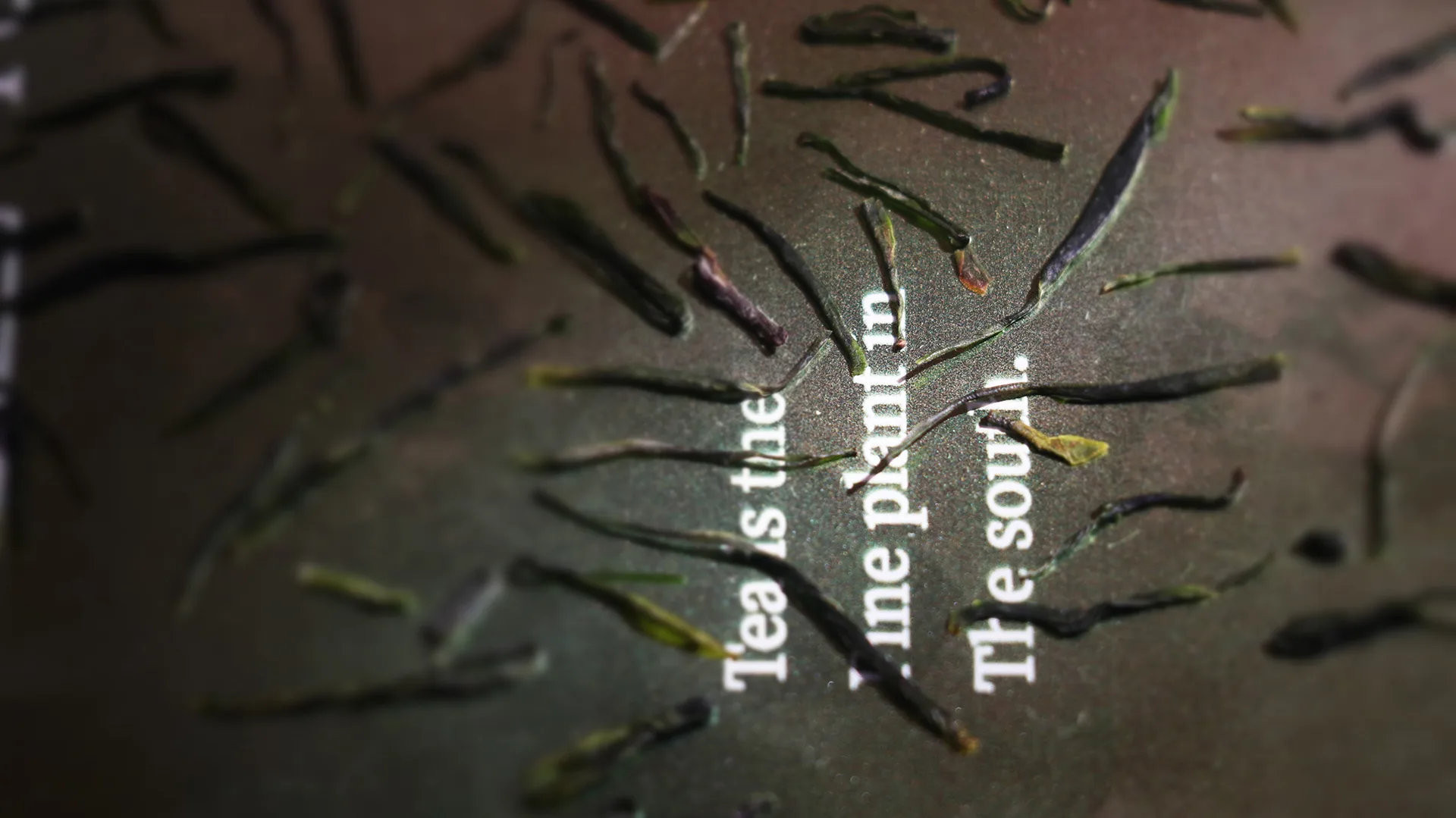
Appearance: Tight, round, smooth, slender, and straight as needles; verdant green with jade-white tips.
Flavor: Tender green, bright liquor; fresh, lasting aroma; refreshing, sweet aftertaste with seaweed and herbal notes.
How to Experience Enshi Yulu?
Tea Type: Green tea
Aroma: Seaweed and herbal notes, refreshing and sweet aftertaste
Characteristics — Tea polyphenol content ≥18%. Unfermented, retaining the natural compounds of fresh leaves, rich in amino acids.
📌 A Note
The above is the culture and craft of Enshi Yulu as a UNESCO-recognised intangible cultural heritage. The Steamed Green Tea sold on this site carries the same thousand-year steaming technique — the same World Selenium Capital heritage, the same needle-shaped green tea character, an independent name with the same intention.
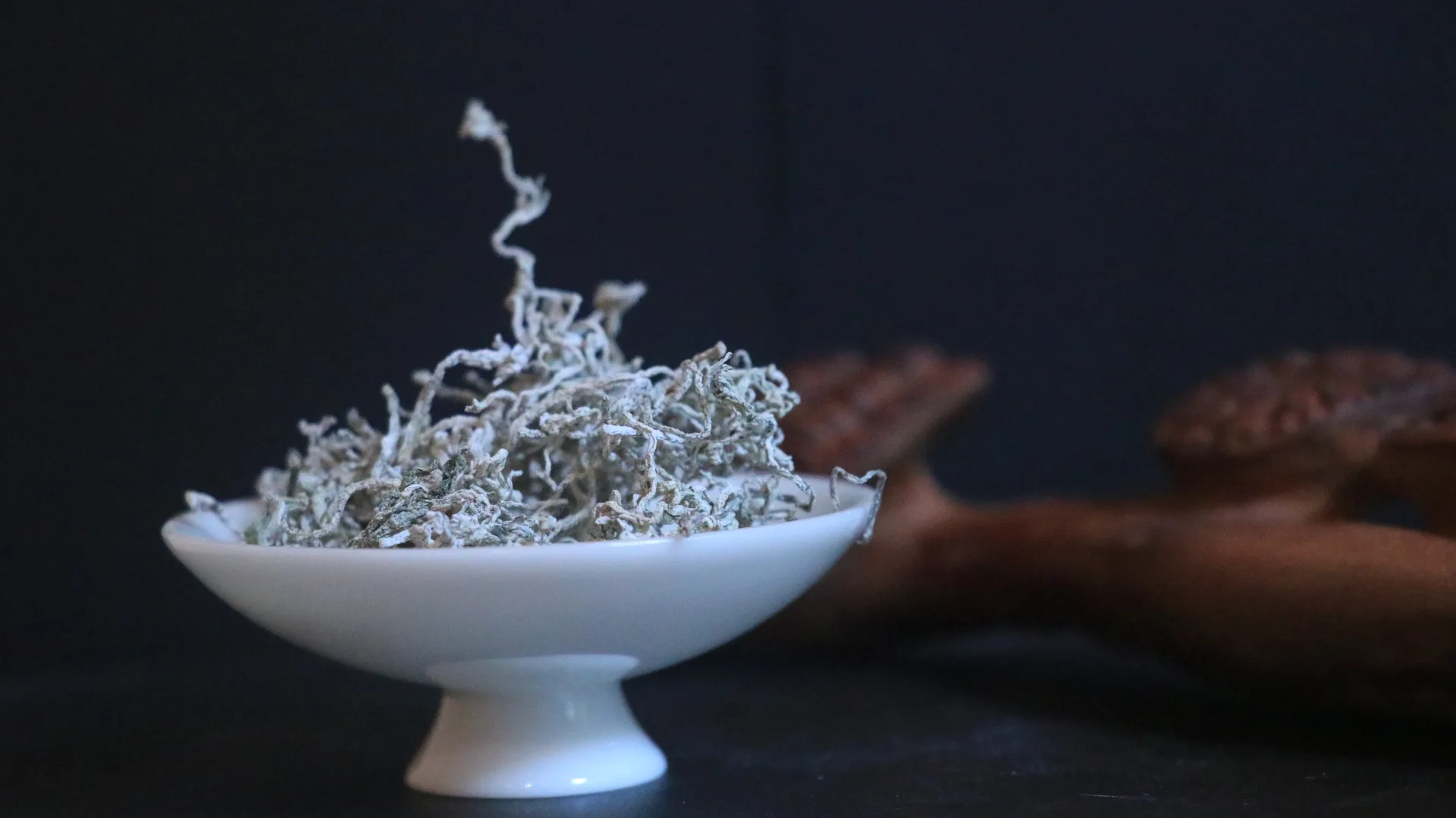
Vine Tea
Origin of Vine Tea
Vine Tea, also known as “Immortal Grass” or “Longevity Tea,” is a distinctive tea beverage with a long history and rich nutritional value.
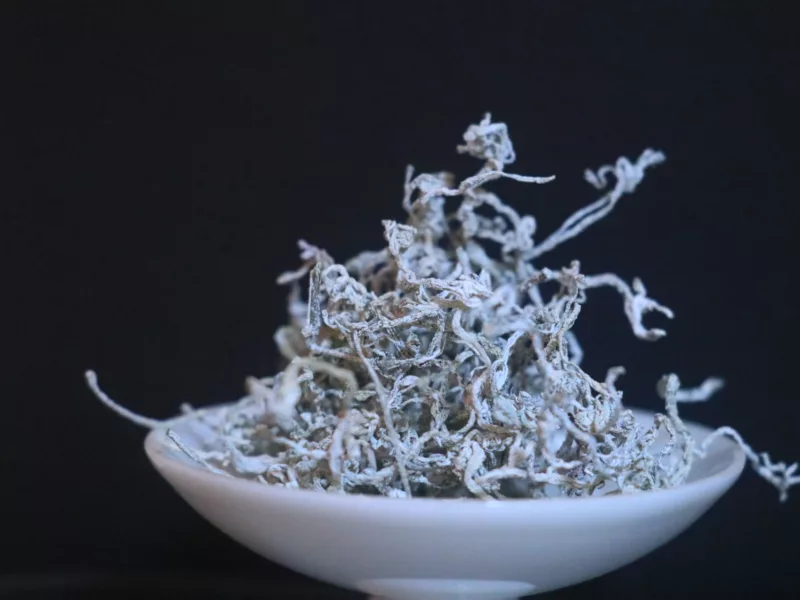
Vine Tea is processed from the stems and leaves of Ampelopsis grossedentata, a plant in the Vitaceae family. It has a sweet, mild taste and cool nature, rich in 17 amino acids, 14 trace elements, polysaccharides, and notably high in natural selenium and flavonoids. It typically grows on partially shaded slopes, roadsides, or under forest canopies. Core production areas like the Wuling Mountain region feature high altitudes, humid climates, and selenium-rich soil, providing unique growing conditions.
It is mainly produced in Laifeng County, Enshi Tujia and Miao Autonomous Prefecture, with seven townships as core production areas. The tea often has a white coating (called “frost”), hence the name “Berry Tea.” Its taste is initially bitter, then sweet, with a lasting aftertaste. Vine Tea has a long history of consumption in Chinese folk culture, affectionately known as “Immortal Grass” or “Longevity Tea.”
Story of Vine Tea
Vine Tea has been consumed in Chinese folk culture for over 1,200 years, dating back to the Eastern Jin Dynasty (420–589 AD). Yinshan Zhengyao(1330) by Hu Sihui of the Yuan Dynasty is the first official record of its consumption and benefits. Legend has it that Emperor Guangxu improved his complexion and throat comfort after drinking this tea, naming it “Imperial Vine Tea,” later changed to “Wild Vine Tea” to avoid taboo. In 2013, Ampelopsis grossedentataleaves were certified as a “New Resource Food” by the Chinese Ministry of Health.
How to Experience Vine Tea?
Tea Type: Ampelopsis grossedentataleaves used as a tea substitute
Aroma: Floral-honey notes, sweet and mellow taste
Characteristics — Free from tea polyphenols and caffeine, gentle in nature, suitable for evening drinking. Rich in natural flavonoids.
📌 About the Teas We Sell
Thank you for joining us on this journey through Enshi’s tea culture. If the stories of Lichuan Black and Enshi Yulu have caught your interest, we invite you to explore the Gongfu Black and Steamed Green tea we offer — the same Enshi terroir, the same heritage craftsmanship, different names, the same sincerity.